How to Help Children Cope with Disturbing News and World Events
Feb 27, 2026
The world can feel loud and overwhelming at times, and in recent months its been heavy.
News alerts flash across screens. Adult conversations carry tension. Words like invasion, threats, scandal, and crisis repeat.
While we might think children aren’t paying attention, they are. They may not understand every detail, but they can feel the emotion, and we can even be transmitting stress hormones to them without meaning to.
Children notice tone of voice, facial expressions, and changes in routine. If the adults around them seem unsettled, children often assume something isn’t safe — even if they don’t fully understand what’s happening.
That uncertainty can show up as clinginess, sleep struggles, big emotions, irritability, or physical complaints like tummy aches . . . all signs that their nervous systems are feeling unsafe.
Talking About Scary News in Age-Appropriate Ways
If you think your child or teenager seems low or stressed, you could start by asking what they’ve heard or what's on their mind. Often their understanding is incomplete, and then their imagination fills in the gaps - sometimes coming up with worse explanations than the actual ones. Remember, children don’t need overwhelming detail; what they do need is simple, factual explanations and lots of gentle reassurance.
So for younger children, you might say something like “Something serious is happening far away, but you don't need to worry as grown-ups are working hard to fix it.”
For older children, you can offer a little more context — but don't go into graphic details. Assess how much to share based on their awareness and maturity, and taking into account whether they are particularly sensitive or anxious.
Most importantly, clearly reassure safety:
-
You are safe.
-
We are safe.
-
There are many people helping.
You may need to say these things more than once.
When Headlines Involve Powerful People or Abuse Allegations
Tweens and teens are far more likely to encounter specific names and strong opinions at school or online.
They may be hearing more about figures such as Jeffrey Epstein or Andrew Mountbatten Windsor, or political figures here in the UK and abroad, at the moment — often in conversations that include words like abuse, crime, corruption, or trafficking.
Even without full understanding, older children may begin asking deeper questions:
-
Can powerful people be trusted?
-
Why didn’t someone stop it?
-
Who decides what’s true?
-
Are adults really in control?
These are big developmental questions and it’s okay for them to ask. It can be hard to see their sense of safety or trust in the world being shaken, and it's not easy to know how truthfully to respond. But remember, your role is not to provide every answer, it is to provide steadiness.
So you could say something like “There are investigations and disagreements happening about some public figures. When serious accusations are made, they are looked into by courts and journalists. It can take time to sort out facts.”
Keep your tone calm and measured, and remember to avoid graphic details and catastrophic language.
Then bring it back to what matters most by saying something like "Even when adults in the news make bad choices, you are safe here."
If Abuse Is Part of the Conversation
For some young people, headlines involving exploitation or abuse can feel especially personal. Some may have experienced harm themselves, in which case it can be triggering for them.
If a child asks questions like:
-
“Why didn’t anyone stop it?”
-
“Could that happen here?”
-
“What if something like that happened to me?”
Communicate clearly:
-
Abuse is never a child’s fault.
-
Safe adults take concerns seriously.
-
If something ever feels wrong, they can tell you or another trusted adult and they will be listened to.
Focus on creating feelings of safety and openness.
Reassurance Without Dismissing Feelings
There’s a real difference between saying, “Don’t worry about it,” and saying, “I can see that you’re worried. I’m here with you.” When we rush to dismiss a child’s fear, even with the best intentions, they can end up feeling alone in it, as though their feelings are too much or not valid. But when we slow down and acknowledge what they’re experiencing, something shifts. Simply feeling seen and understood helps their nervous system begin to settle.
You don’t need perfectly crafted words or a flawless explanation. What children respond to most is your calm presence. They take their cues from you, borrowing regulation from the steadiness you offer. When you stay grounded and connected, you’re quietly teaching them that big feelings can be held safely — and that they don’t have to face them alone.
Practical Grounding Tools for Young Nervous Systems
When anxiety rises, remember using logic and reasoning rarely helps. What children and young people need is help to regulate themselves and calm their stressed nervous systems: gentle regulation tools help the body settle so the brain can follow. You could try:
Balloon Breathing – Invite younger children to imagine blowing up a big balloon as they slowly inhale through the nose and exhale through the mouth. Five slow breaths can be enough to reduce the stress response. For older children and teens, you might frame it differently: slow, steady breathing (for example, inhaling for four counts and exhaling for six) signals to the body that it is safe. Even teenagers who roll their eyes at “breathing exercises” benefit physiologically from slowing their breath.
Comfort Anchors – For younger children, this might be a favourite toy, blanket, or sitting physically close to a parent. For tweens and teens, comfort anchors often look different: listening to familiar music, wrapping up in a hoodie, holding a warm drink, cuddling a pet, or texting a trusted friend. The principle is the same — familiar sensory input tells the nervous system, “I know this. I’m safe enough.”
5-4-3-2-1 Grounding – This simple technique gently brings attention back to the present moment: name five things you can see, four you can feel, three you can hear, two you can smell, and one thing you like about this moment. For teens, you can explain that anxiety pulls the brain into “what if” thinking, and grounding pulls it back to “what is.” It’s not about denying reality — it’s about giving the brain a break from spiralling. (For a more in-depth explanation of this technique have a look at the video in this post where I talk about grounding towards the end).
Steady Routine – Predictability is powerful at every age. Bedtimes, school routines, weekend rituals, and even small family habits provide a sense of stability when the outside world feels uncertain. Teenagers may appear independent, but consistent expectations and rhythms still communicate safety.
Healthy Distraction – It’s also okay to intentionally rest the brain. Watching a favourite show, going for a walk, playing sport, baking, gaming with friends, drawing, or doing homework can all act as healthy distraction. This isn’t avoidance — it’s recovery time for an overloaded nervous system. Just as muscles need rest after strain, the brain benefits from periods where it isn’t focused on heavy headlines or difficult conversations.
None of these tools remove the reality of what’s happening in the world. But they help young nervous systems return to a place of steadiness — and from that place, difficult conversations become much more manageable
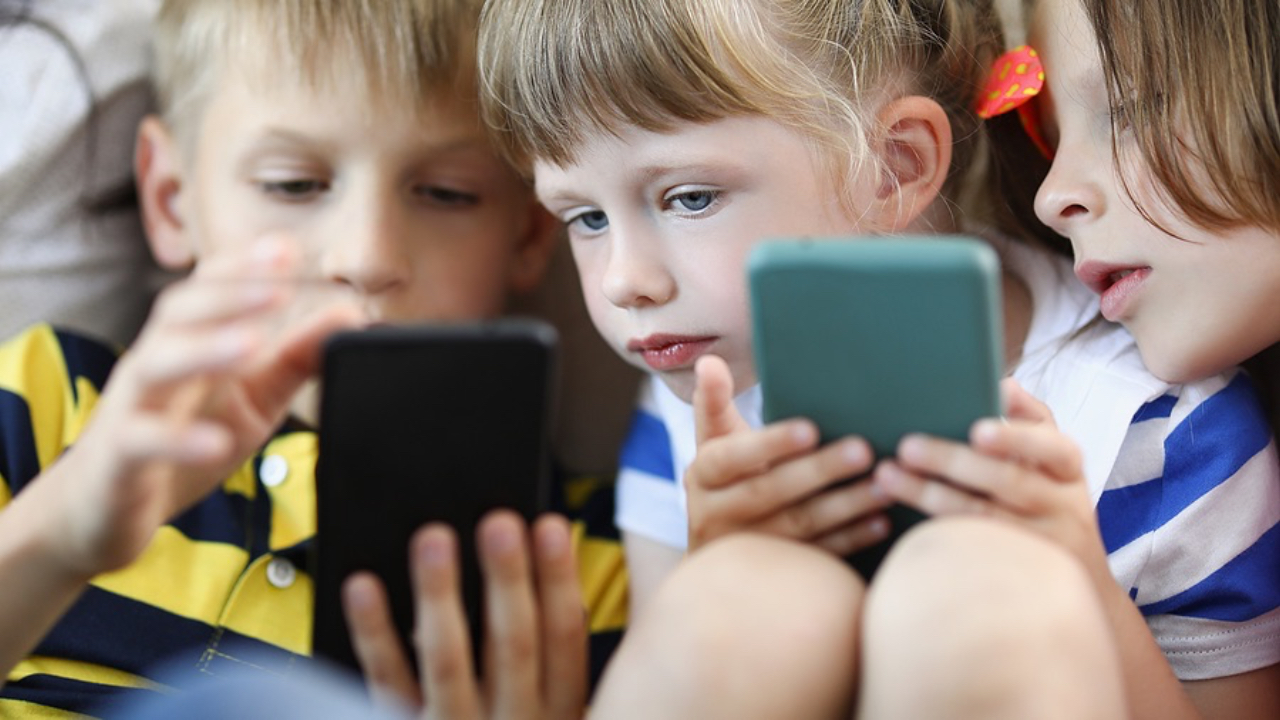
Limiting exposure matters too . . . children and young people do not need repeated news cycles playing in the background, or unlimited access to their phones or tablets. Protecting their emotional space is healthy boundary-setting.
Have a look at this earlier post too where I share ways to make your child's home environment feel soothing and nurturing : https://www.brighterfuturesforkids.com/blog/how-to-create-a-nurturing-home-environment-for-your-child
When This Feels Personal for You
Explaining difficult world events to your children may stir up feelings in you.
You might feel anger, fear, helplessness, or old memories resurfacing — especially if headlines involve abuse, power, or injustice. Staying calm for your child while managing your own reaction can feel like a heavy emotional lift.
If you’re finding that world events are affecting you too, you’re not alone. In our companion article at Brighter Futures Personal Growth, we explore how to steady your own nervous system during uncertain times — because when you feel grounded, your child feels safer too. Supporting yourself is not separate from supporting them, it’s where it begins. You can read the post here:
https://www.brighterfuturespersonalgrowth.co.uk/2026/02/27/feeling-overwhelmed-by-the-news/
If You or Your Child Need Extra Support
You may like to have a look at this post and video I made back in 2022, which goes deeper into ways to protect your child and yourself when times feel overwhelming or stressful:
Finally, remember you are more than welcome to contact me if you or your child need therapeutic support, and I will be happy to help.
Warmest wishes